Overview
VIP (Vasoactive Intestinal Peptide) is a naturally occurring neuropeptide composed of 28 amino acids. It is commonly utilised in laboratory research involving peptide structure, receptor-associated pathways, and cellular signalling systems. VIP belongs to the glucagon/secretin peptide family and is studied within a range of experimental biological models.
Vasoactive Intestinal Peptide was first identified in the intestinal tract and is widely distributed across multiple biological systems. In controlled research environments, VIP is used as a model compound in studies involving peptide interactions, receptor systems, and signalling pathway analysis.
Chemical reference information: CAS number: 40077-57-4; Molecular formula: C₁₄₇H₂₃₇N₄₃O₄₃S; Molecular weight: 3326.8 g/mol; Sequence: HSDAVFTDNYTRLRKQMAVKKYLNSILN. These reference identifiers describe the formulation; the batch-specific analytical record identifies the supplied material.
Reference conditions for unreconstituted research material are −20°C with moisture and direct light excluded. Use the storage instructions on the supplied batch record for the actual presentation, and record any change of physical state or storage conditions.
Where laboratory preparation is required, use an appropriate validated solvent and aseptic peptide-handling procedure. Solvent compatibility, final concentration, and post-preparation storage depend on the specific formulation and experimental protocol. The catalog strength is the compound amount, not the concentration of a prepared solution.
NORVEXA Bioscience batch documentation can be requested using the printed reference and lot number. Review identity, analytical purity, presentation, and handling specifications before including a material in a laboratory workflow.
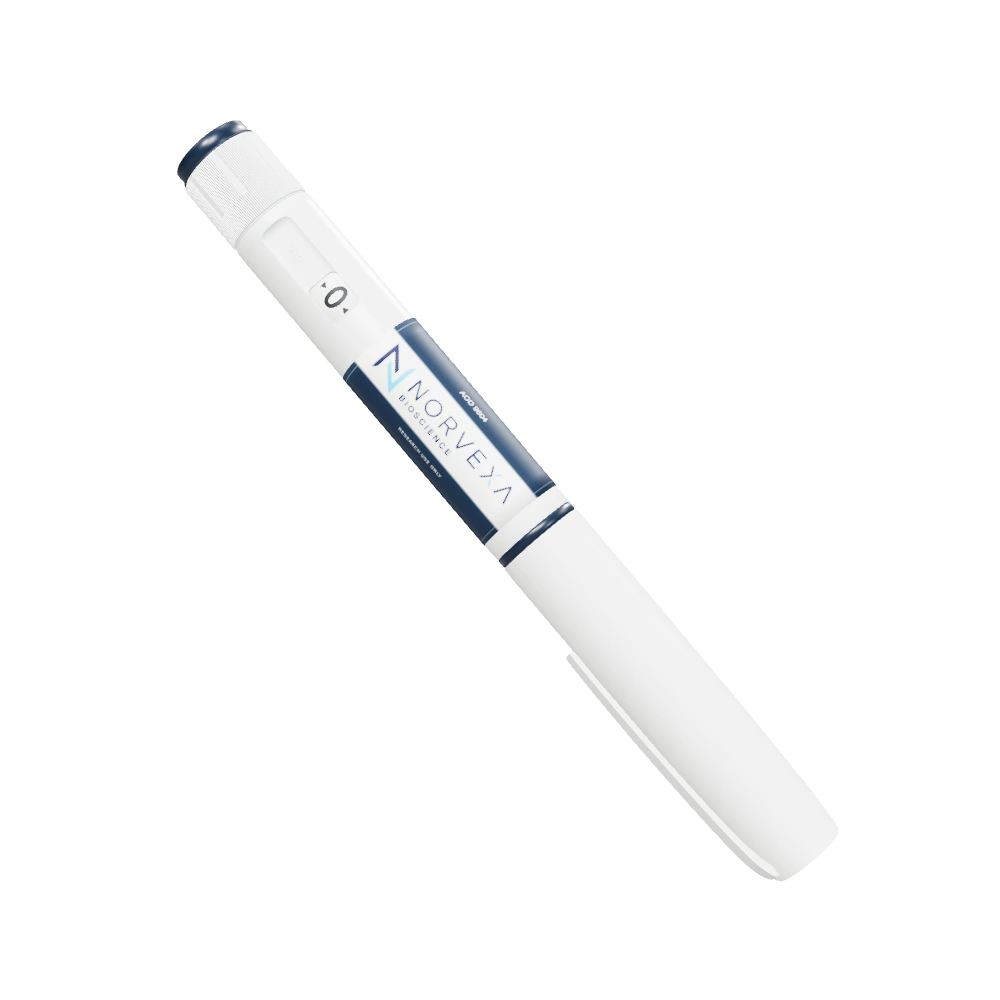
VIP 10 mg is offered as a NORVEXA research pen. The selected strength refers to the compound content of this pen reference. Request the matching batch record for identity, analytical specifications, and presentation details.
Handling and storage
Reference conditions for unreconstituted research material are −20°C with moisture and direct light excluded. Use the storage instructions on the supplied batch record for the actual presentation, and record any change of physical state or storage conditions.
Where laboratory preparation is required, use an appropriate validated solvent and aseptic peptide-handling procedure. Solvent compatibility, final concentration, and post-preparation storage depend on the specific formulation and experimental protocol. The catalog strength is the compound amount, not the concentration of a prepared solution.
NORVEXA Bioscience batch documentation can be requested using the printed reference and lot number. Review identity, analytical purity, presentation, and handling specifications before including a material in a laboratory workflow.